
Resources
Filter By Resource Type
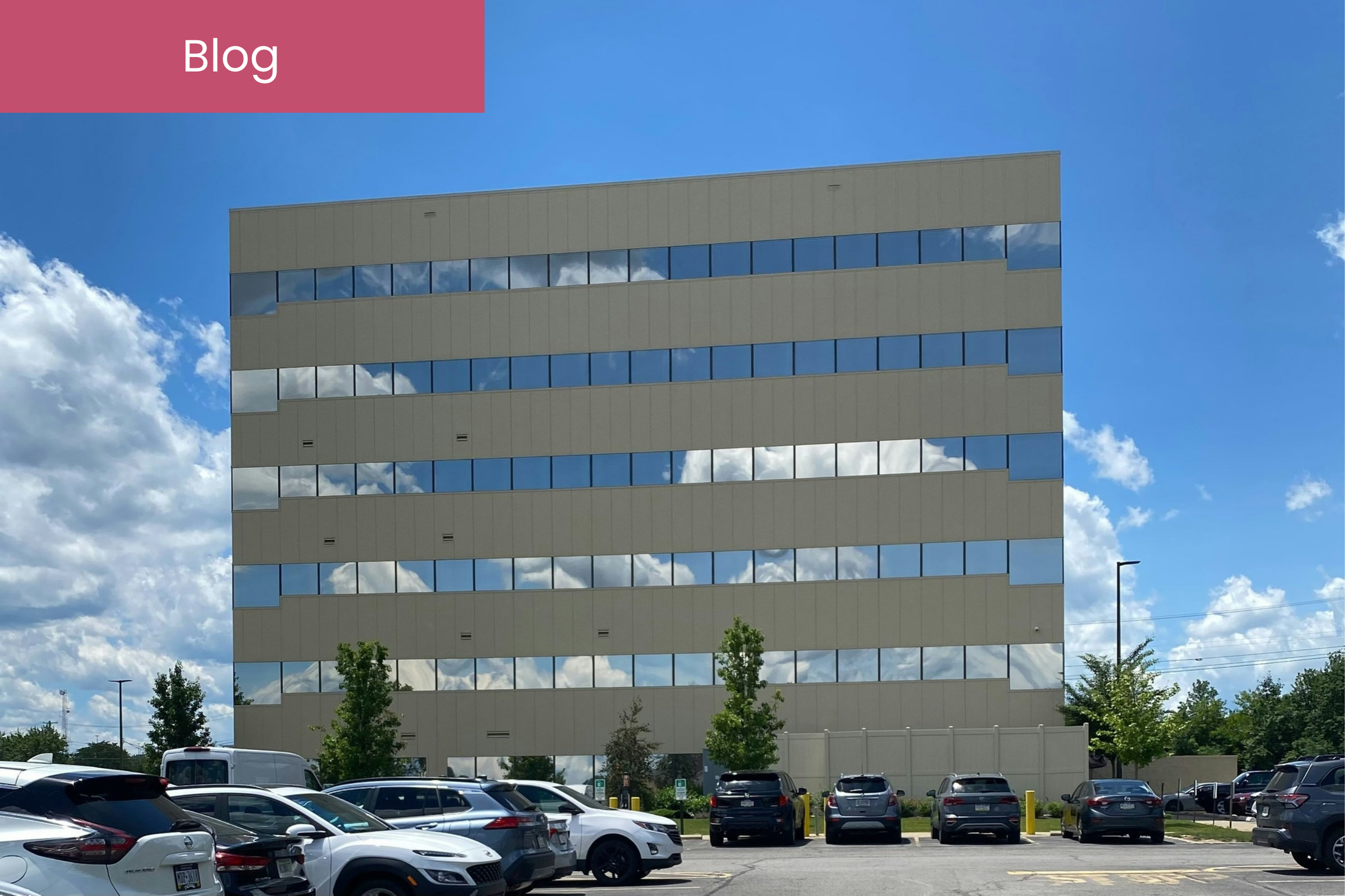
What Digital Transformation Really Means for Commercial Buildings
Transform your commercial building with a digital transformation platform that connects systems, delivers real-time insights and improves performance.
For some, digital transformation in building management conjures up images of robot maids handling operations. In reality, it’s less like The Jetsons and more like using technology to gather data and generate insights for decision-making. A digital transformation platform connects different building management software and gives you the tools to operate the building more effectively.
These platforms enable your team to manage building operations using real-time information. You can make proactive decisions that save you time and money instead of reacting to emergencies as they arise.

Deferred Maintenance: The Hidden Costs for Aging Buildings
Deferred maintenance is a ticking time bomb for CRE and schools. Learn the true cost of repair backlogs and how IoT monitoring helps you get ahead.

5 Ways Remote Monitoring Reduces Risk on Active Construction Sites
Active construction sites carry constant risk. See five ways remote monitoring catches problems early and keeps projects on schedule and on budget.

From Compliance Burden to $132K in Rewards and Savings
See how 22 West used Attune’s real-time energy monitoring to support DC BEPS compliance and achieve $132K in savings and incentives.

How Mojave High School Used Real-Time Vape Detection to Reduce Vaping Incidents
Learn how Mojave High School used Attune’s real-time vape detection technology, instant alerts, and hall pass integration to reduce vaping incidents by 30% and create a safer learning environment.

Building Performance Standards: A Guide to Energy Mandates
Stop guessing on energy compliance. Learn how building performance standards work and why real-time data is the key to avoiding emissions penalties.
Building performance standards (BPS) are legal regulations for greenhouse gas emissions and energy usage. These regulations are established by federal, state, and local agencies based on regional needs. Unlike voluntary certifications like LEED or WELL, BPS government mandated. Buildings that fail to comply with BPS regulations face significant financial risks, including higher energy costs and regulatory fines.

Energy & IAQ Monitoring Guide for Hotels & Hospitality
Real-time energy, IAQ, and occupancy monitoring can lower hotel operating costs without sacrificing guest comfort. See the research-backed HVAC savings data.
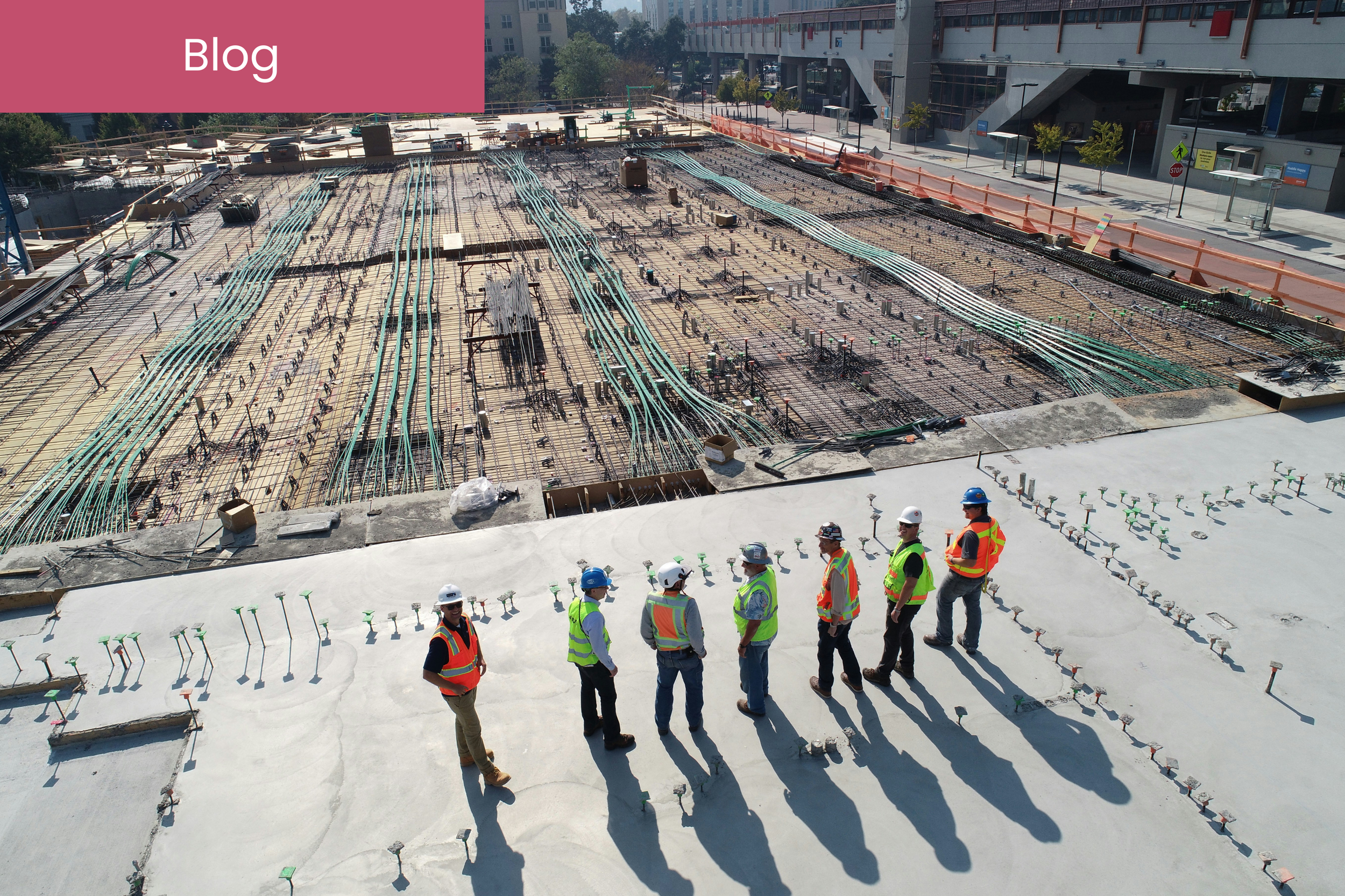
IAQ Monitoring Guide for Construction & Renovation
Construction projects create dust and VOCs. See how real-time IAQ monitoring protects workers, secures LEED credits, and ensures building readiness.

Asset Condition Monitoring Management: Guide to Smart Use
Stop reactive repairs. Master asset condition monitoring management for HVAC health, reduce downtime, and extend equipment life in smart buildings.

Wildfire Smoke and Indoor Air Quality: Protecting Occupant Health
Learn how wildfire smoke infiltrates buildings, what PM2.5 does to occupant health, and how real-time indoor air quality monitoring keeps people safe.

Higher Education Institute Uses Real-Time Monitoring to Prevent Lab Disruptions and Reduce Response Time
Discover how a leading academic research institution used real-time environmental monitoring to protect laboratories, cold rooms, and research spaces, improve temperature and humidity visibility, automate alerts, and accelerate facilities response across multiple buildings.

Remote Asset Monitoring for Smarter Building Operations
Remote asset monitoring helps facilities teams reduce downtime, improve visibility, and optimize HVAC, energy, and equipment performance.

Vape Detection in Schools: A Practical Guide to Safer, Healthier Learning Environments
Learn how vape detection helps K-12 schools address student vaping, protect indoor air quality, and create safer, healthier learning environments.

Attune Begins Implementation of the Future-Ready Facilities Grant Across 16 Districts Serving More Than 1.2M Students
Scoping is underway across the winning cohort as Attune moves from selection to rollout, bringing real-time building visibility to schools in 13 states

Reactive vs Preventive Maintenance: The Real Cost Gap
Reactive maintenance feels cheaper until it isn't. Here's how preventive and predictive strategies stack up on cost, downtime, and building performance.

Occupancy Monitoring Systems for Smarter Building Operations
Occupancy monitoring systems help optimize HVAC, IAQ, and energy use with real-time space utilization data across commercial buildings.

Building Analytics Platforms: Turning Data Into Action
Most buildings generate more data than they use. A building analytics platform changes that by turning raw sensor data into insights teams can actually use.
Now that you’ve installed monitoring systems and automation software, you’ve found yourself swimming in data. But what are you doing with it? Trying to analyze data without context is like trying to put together a blank jigsaw puzzle. Building analytics serves as the photo on your puzzle box. These systems put the data into context that gives you insights for improving building performance.

Attune Announces 14 Winners of the Future-Ready Facilities Grant, Awarding $500K to School Districts Across the Country
Cohort of K-12 districts selected to modernize school buildings with smart monitoring technology for indoor air quality, energy, and water systems
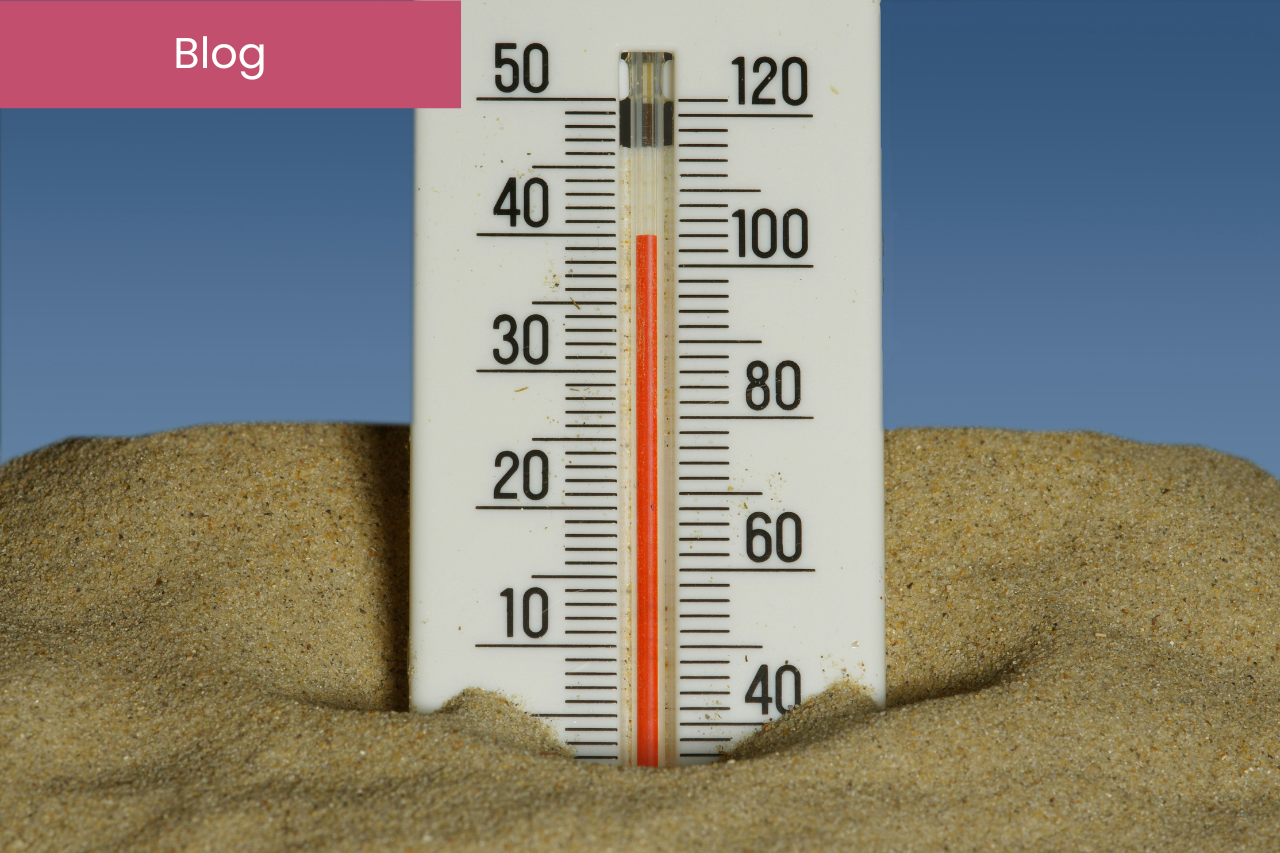
How Do Humidity Sensors Work? | Smart Monitoring Technology
Think about the last time you noticed hot and muggy air in a commercial space. Maybe someone was boiling water in a restaurant kitchen, or left the windows open during a heavy thunderstorm. Both situations raise indoor humidity levels. If humidity gets too high, it can spur mold growth and trigger respiratory issues — two things that can harm occupant health and building structure.

Commercial Energy Audits: What They Miss and What Works
Energy audits give you a snapshot, but buildings don't pause between cycles. Here's what traditional audits miss and how to get full visibility instead.