
VOC Air Quality Monitors for Commercial Buildings
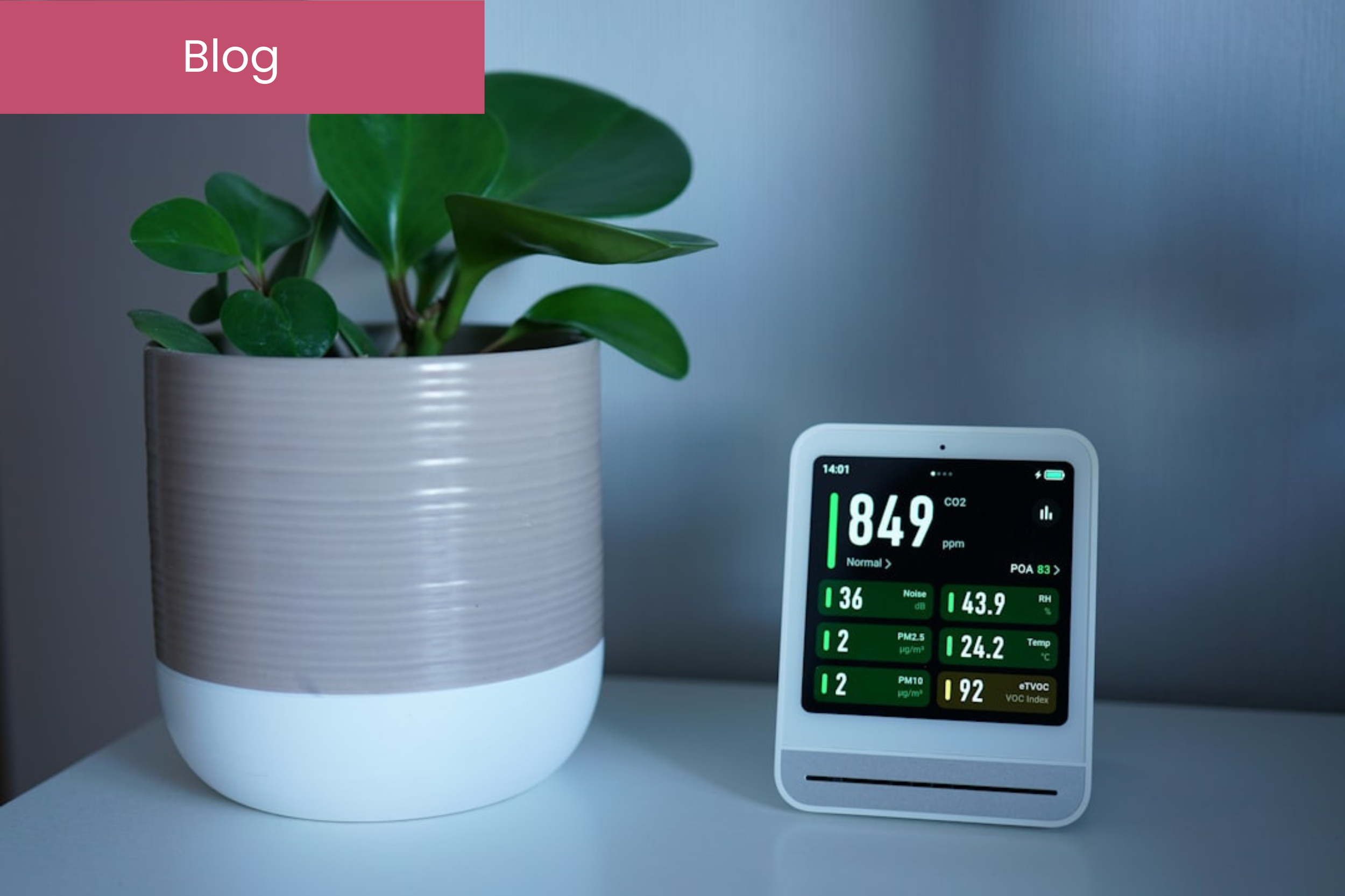
Indoor air quality (IAQ) is one of those safety factors that is all too often overlooked in a commercial or workplace environment. If you're still asking, "What is VOC air quality in the first place?", then you may want to learn everything about indoor air quality first. Once you understand why clean air is so important for the health of occupants, not to mention their happiness, it's time to consider installing an all-in-one (AIO) air quality monitor.
Finding the right monitor will reveal what's in every sniff of air, even what your nose doesn't pick up. This helps you improve your facility's management plan with additional fresh air, filtration, or whatever's needed. Get started on picking the best VOC air quality monitor based on your needs and the VOCs you may encounter.
What Is a VOC Air Quality Monitor and What Does It Measure?
VOCs, or volatile organic compounds, are airborne chemicals that are often hard to detect without a monitor. They come from all kinds of sources in your commercial environment, some of them more avoidable than others. Not all air quality monitors can capture readings of these gases, even if they're tracking other indoor pollutants like particulate matter.
Some monitors only measure the TVOC, or total volatile organic compounds, as a combined rating. For sensitive situations like healthcare buildings, you may need more intensive VOC monitoring that identifies individual compounds instead. As you can read in our guide to TVOC Air quality levels explained, some VOCs are more dangerous than others. Sensors tracking general TVOC levels will rely on Metal Oxide Semiconductor (MOS) for an aggregate "VOC Index," or Photoionization Detector (PID) sensors that utilize light for tracking specific gas concentrations.
Common VOC Sources in Commercial Buildings
Depending on the environment, typical sources for VOCs in offices, schools, and multi-family buildings include:
Office equipment like printers and copiers
Cooking activities
Cleaning products
New furniture, especially foam products
Fresh coats of paint, stain, or polish
Carpeting and composite flooring
Hairspray, perfume, and hobby activities.
Yes, even a spray of perfume can affect indoor air quality. VOC levels fluctuate over the course of an average day due to activity levels, changes in ventilation, and temperature changes. Some areas pose a higher risk than others due to a lack of ventilation or concentration of VOC sources, such as break rooms, newly renovated spaces, classrooms, manufacturing and storage areas, and restrooms.
Why VOC Monitoring Matters for Indoor Air Quality and Occupant Health
When choosing the best air quality monitor for other air pollutants like carbon dioxide, don't overlook the importance of VOC monitoring. Short-term exposure to many VOCs will lead to headaches, dizziness, asthma attacks in people with the condition, and even rashes. In the long run, exposure to high levels of toluene, benzene, and other common VOCs can affect the central nervous system and damage many organs.
Reducing VOC levels can provide a healthier, more comfortable environment. That translates into higher productivity levels and fewer complaints from users. These devices are key for tracking invisible indoor pollution. But you have to understand that most air monitors measure relative changes rather than absolute harmful substance levels, as even harmless things like sunscreen can trigger readings. That means that periodic air testing can miss transient VOC spikes that affect health over time. Ongoing data logging is key to actually knowing what your occupants are breathing in.
Consumer vs. Commercial VOC Air Quality Monitors
A consumer-grade VOC air quality monitor simply can't provide the accuracy or data access needed for commercial IAQ management. These sensors may offer a glimpse at general TVOC levels over the course of a day, but they generally lack the sensitivity to determine exact levels of specific VOCs. They also tend to aggregate measurements over the hours rather than tracking specific VOC amounts minute by minute, helping you track spikes in pollutants back to their sources.
Sensors used in consumer-grade monitors aren't just less sensitive; they're also more prone to drift. Drift occurs as a sensor ages, accumulates dust and debris on the surface, or becomes damaged by exposure to temperature extremes or wet environments. Commercial VOC air quality monitors are regularly recalibrated and tested for accuracy, which is hard or impossible with consumer-grade products. Without high-quality sensors that are regularly calibrated, you can't validate the measurements you receive and plan remediation actions that will work to improve indoor air quality. That's no good!
Commercial environments require more than just basic air quality monitoring. You need scalable, reliable monitoring for VOCs and more. A particle counter is a great place to start, but it's not the end of IAQ concerns. Sensitive, accurate equipment with extensive data logging options provides the information you need to improve the health, comfort, and productivity of the occupants of any space you manage.
How Continuous VOC Monitoring Supports Proactive IAQ Management
Continuous VOC monitoring is the only way to make routine, timely adjustments that produce real changes in air quality. Real-time data detects issues before occupants are affected and complain about noticeable effects. Network deployment across multiple buildings or even a whole real estate portfolio requires a centralized logging solution with access to individual data and automated alerts.
Updating your VOC monitoring efforts now supports your efforts to remain compliant with changing safety and health regulations. It makes it easy to prepare the reports you need to document and prove your IAQ, helping you plan out your future moves for long-term quality strategies. This is especially important for structures with long-term occupation, such as schools, hospitality businesses, and multifamily structures.
Don't let your concerns over indoor air quality affect your approach to building management. Stay on top of TVOC and specific VOCs alike with the right monitoring equipment from Attune. As a leader in the world of IoT solutions for building management, we're ready to help you track and tackle those tricky off-gassing issues as well. Critical area monitoring calls for the real-time assurance we provide, along with customizable solutions and integrations with your existing management software.
Check out our easy-to-use and powerful commercial air quality monitoring options, or get in touch with our team for custom recommendations to save the day.