
How Water Conservation Devices Support Smarter, Sustainable Buildings
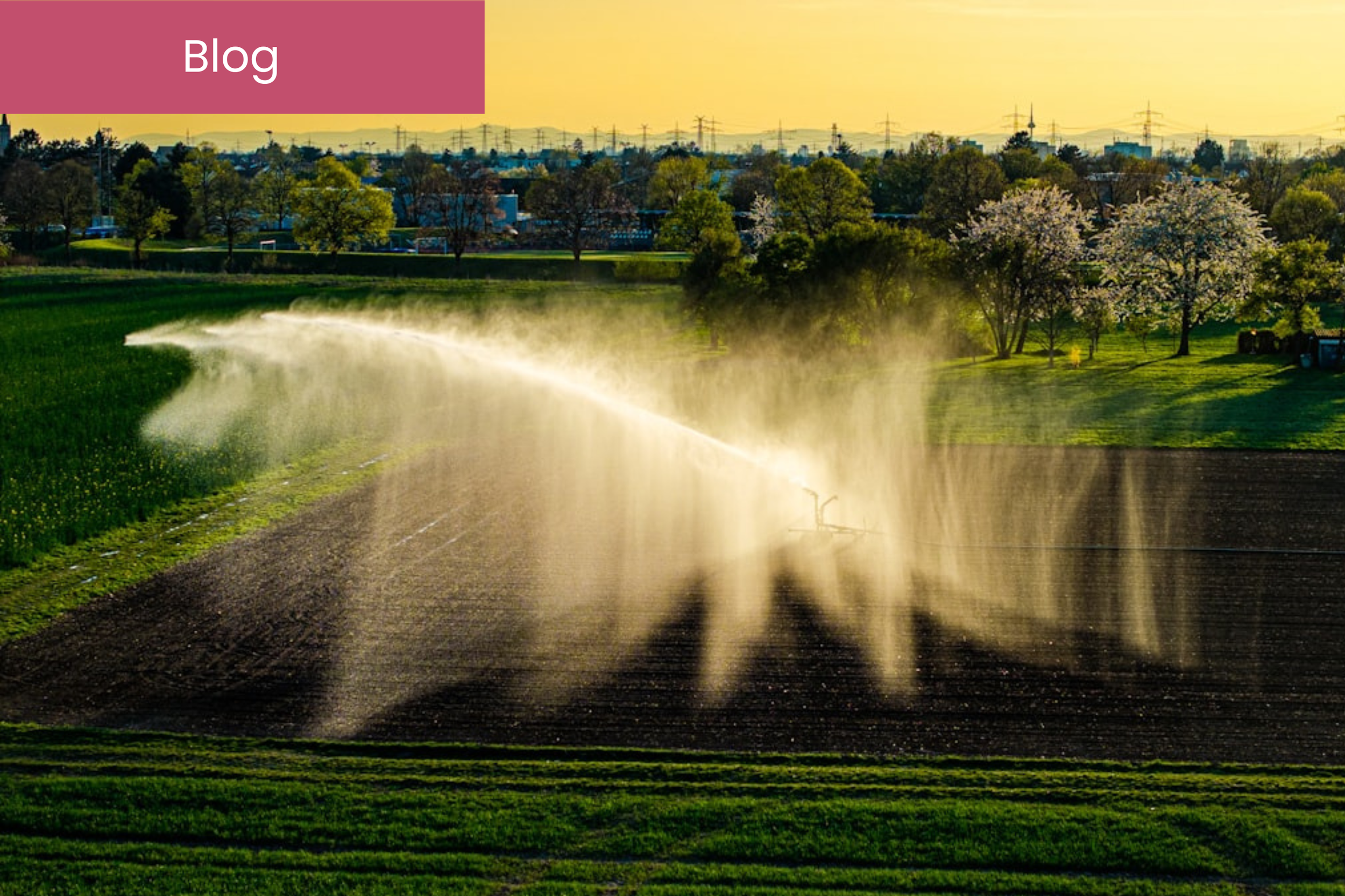
As a building manager, you can ask your tenants and guests to save water, or you can trick them into doing it with water conservation devices. These include smart technologies, specially designed fixtures, and appliances made to use less water and lower overall consumption.
Types of Water Conservation Devices
Modern water conservation isn’t limited to individuals. You might immediately think of low-flow toilets, but conservation encompasses a broad range of commercial, residential, and agricultural uses.
Low-Flow Fixtures
Low-flow toilets have been the standard in modern design since the Energy Policy Act of 1992. Before then, toilets flushed with 5 to 7 gallons of water. In the 1980s, manufacturers lowered the average to about 3.5 gallons per flush. The Energy Policy Act mandated a 1.6-gallon standard, which has gotten even lower with advances in technology.
Modern shower heads and sinks use faucet aerators to save water without sacrificing water pressure. They do this by mixing air with the water.
Smart Irrigation Systems
Before smart technology, you could put sprinklers and other irrigation systems on a timer to water at specific times. Watering in the early morning or the evening keeps you from wasting water that evaporates during peak sunlight.
Smart irrigation systems build on this premise. They use sensors to automate watering based on temperature, soil moisture, and plant conditions. This saves water and also keeps your plants healthier. You can control your smart irrigation system from your phone and adjust watering as needed. For example, if it starts pouring rain, you can turn off the sprinklers and avoid drowning your plants and wasting water.
Leak Detection Sensors
Adding leak detection sensors throughout your buildings alerts you to potential plumbing problems while they’re still small. These sensors measure vibrations, humidity levels, and the presence of water in an area.
Instead of waiting for hidden pipes to burst, you'll get an alert when the system changes. You can check for small cracks and leaks and fix them before they damage your building.
Water-Efficient Appliances
The era of high-efficiency appliances saves energy and water. High-efficiency washing machines and dishwashers use 30% less water through smart sensors, aeration, and design modifications. When you’re shopping for appliances in your buildings, look for Energy Star or WaterSense certifications.
How Water Conservation Devices Work
If you’re imagining the early low-flow toilet models that required multiple flushes to work, you may be skeptical of using a water conservation system in your building. Thankfully, we’ve learned from those mistakes, and new water conservation devices are much more effective.
Sensors
Smart irrigation systems and smart appliances use sensors to collect data and adjust water usage to match conditions. For example, a smart washing machine can automatically adjust the water level based on load size, even if you don’t adjust it manually.
Water-conserving dishwashers use sensors to determine how dirty your dishes are and adjust accordingly. Family dinner plates get more water than a cereal bowl.
Flow Regulators
Aerators use a disk to restrict water flow without impacting pressure. Other water conservation devices use flexible O-rings to reduce the flow of water through the faucet. These rings expand and contract based on the water pressure.
Timers
Short showers are an effective way to conserve water. Some faucets will reduce the flow or shut off altogether when you reach a set time limit. You might also use a timer on your sprinkler system to water your lawn in the morning when it’s not as hot.
Benefits of Using Water Conservation Devices in Buildings
Water is a valuable resource, and these devices help you do your part in saving it. That’s not their only benefit.
Cost Savings
Water conservation device installation in your commercial building can net you between 20% and 50% savings on your water bills. Depending on your building’s location, you may also qualify for rebates and incentives through local government agencies. Installing these devices and following green building tips translates to savings you can put back into your business.
Reduce Your Overall Water Footprint
Lowering your water usage footprint isn’t just cost effective; it’s also good for business. As consumer demand for green buildings increases, water conservation devices show potential tenants your commitment.
People understand the importance of water conservation, and you want to show tenants you do, too.
Regulatory Compliance and Green Building Certification
Some areas tightly regulate water consumption based on demand. Large cities in drought-prone areas, such as Denver, Los Angeles, and Phoenix, build water conservation into building codes. These devices keep you in compliance to avoid fines.
Even if you’re not operating a commercial or industrial building in an area with strict water regulations, your water conservation devices can help you keep green building certifications.
Smart Integration: Water Conservation Devices and IoT
IoT-enabled water conservation devices include leak detection and moisture sensors, smart appliances, smart irrigation systems, automated rain harvesting systems, and more. Each of these systems collects data that lets you monitor your water consumption and make changes to lower it.
These devices also trigger smart systems to automatically shut the water off if it detects a leak. Attune’s remote control and monitoring systems let you monitor water consumption from anywhere. Our solution integrates with other building system monitors, allowing you to monitor water and energy usage with one system.
Take control of your water footprint with Attune’s IoT solutions. Schedule a demo today.
Water Conservation Devices FAQs
What are water conservation devices?
Water conservation devices refer to fixtures, appliances, and technology that reduce water consumption. Individuals, commercial buildings, and industrial buildings use water conservation devices to lower their overall water usage and reduce waste.
What is water conservation technology?
Water conservation technology uses sensors, controllers, and other smart systems to adjust water usage to fit specific conditions. For example, a smart irrigation system uses sensors to measure temperature and water levels in the soil to automate watering schedules based on certain conditions.